Editor
The Story Newsletter
Published
7/7/2026
6 Min Read

When designing a website, we rarely consider that a few years down the line, the brand may expand into Arab markets. The problem begins when expansion becomes a real business opportunity, but the website has been designed exclusively around Western patterns of reading, searching and buying.
Here are five key areas your UI/UX team needs to consider when adapting a website for Arab markets.
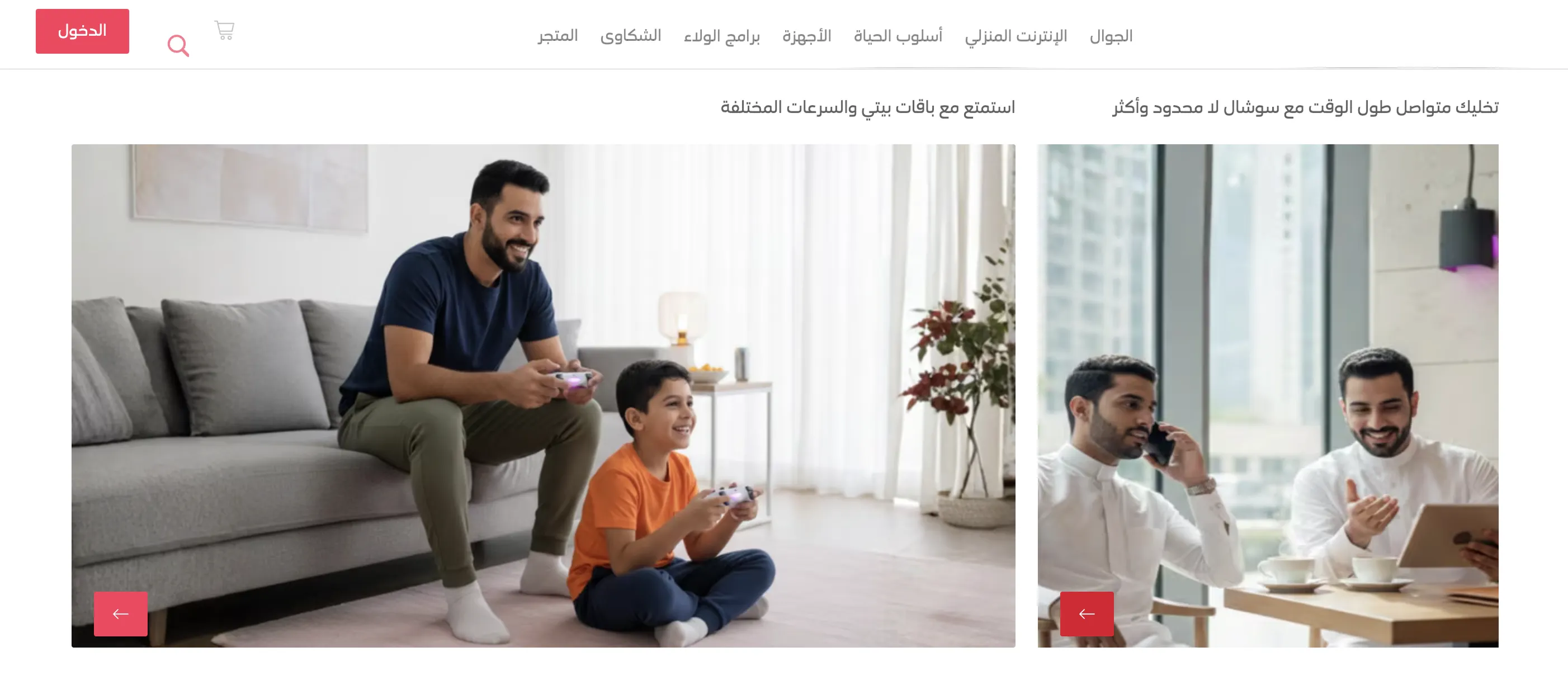
1. Getting RTL right — what actually needs to change?
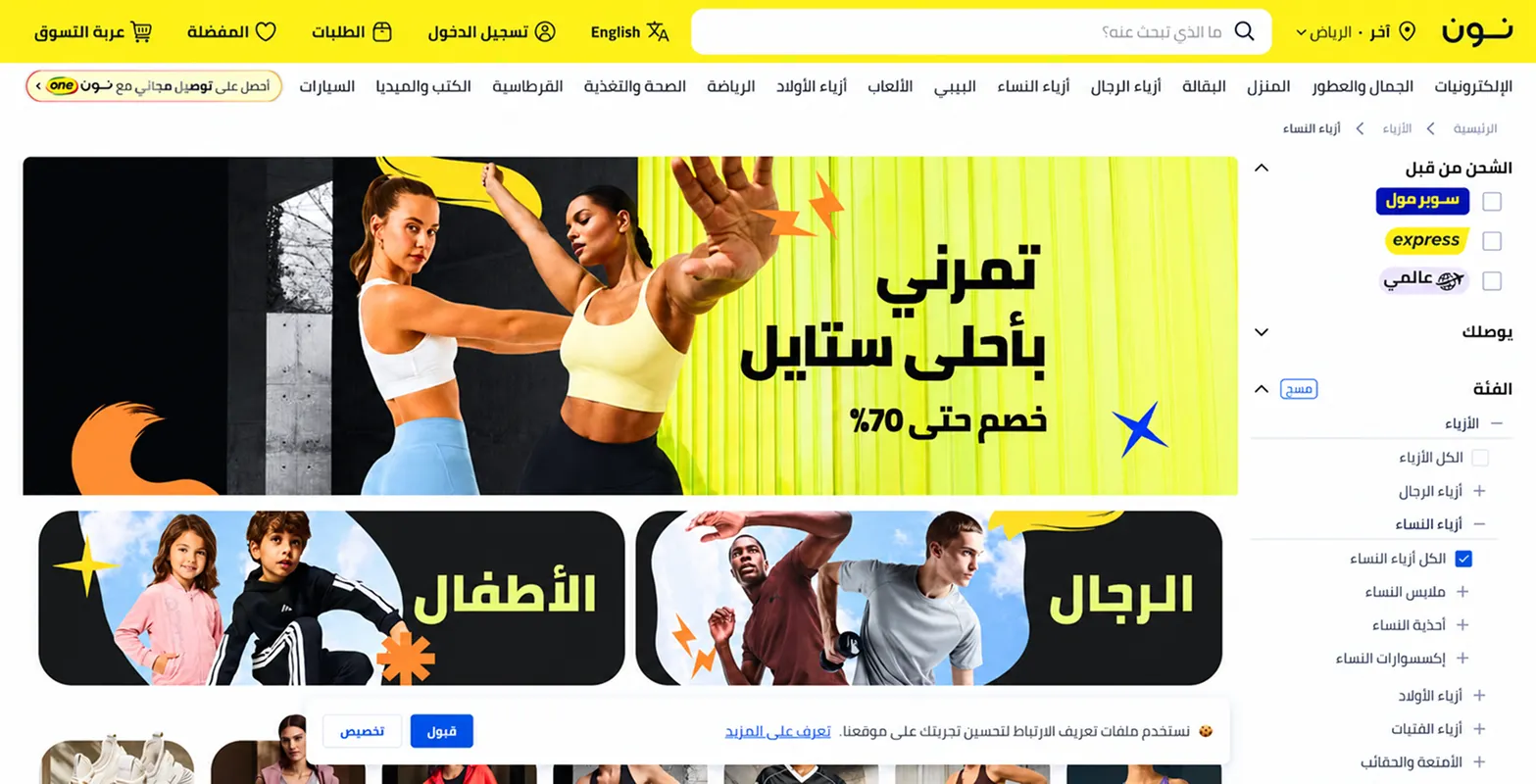
The challenge: Arabic is read from right to left (RTL), which means adapting a website requires rethinking the way users navigate and interact with the interface.
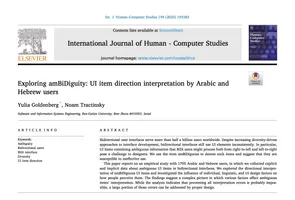
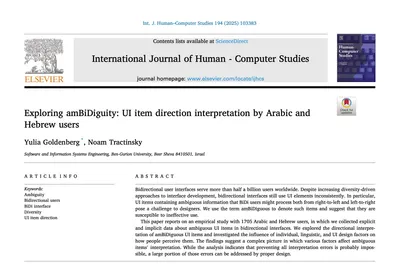
⚠️ Implementing RTL does not mean simply mirroring the entire website. Research by Goldenberg and Tractinsky (2025) shows that the perceived direction of interface elements depends on the type of component: dates and numbers were more often interpreted left to right, while navigation and process flows were interpreted right to left. Each element therefore needs to be considered individually.
What does this mean? A website may be translated into Arabic, but if it continues to follow left-to-right interaction patterns, it can negatively affect conversion — for example through form errors, abandoned carts or incomplete enquiries.
2. The typography challenge - why European fonts may not work in Arabic.
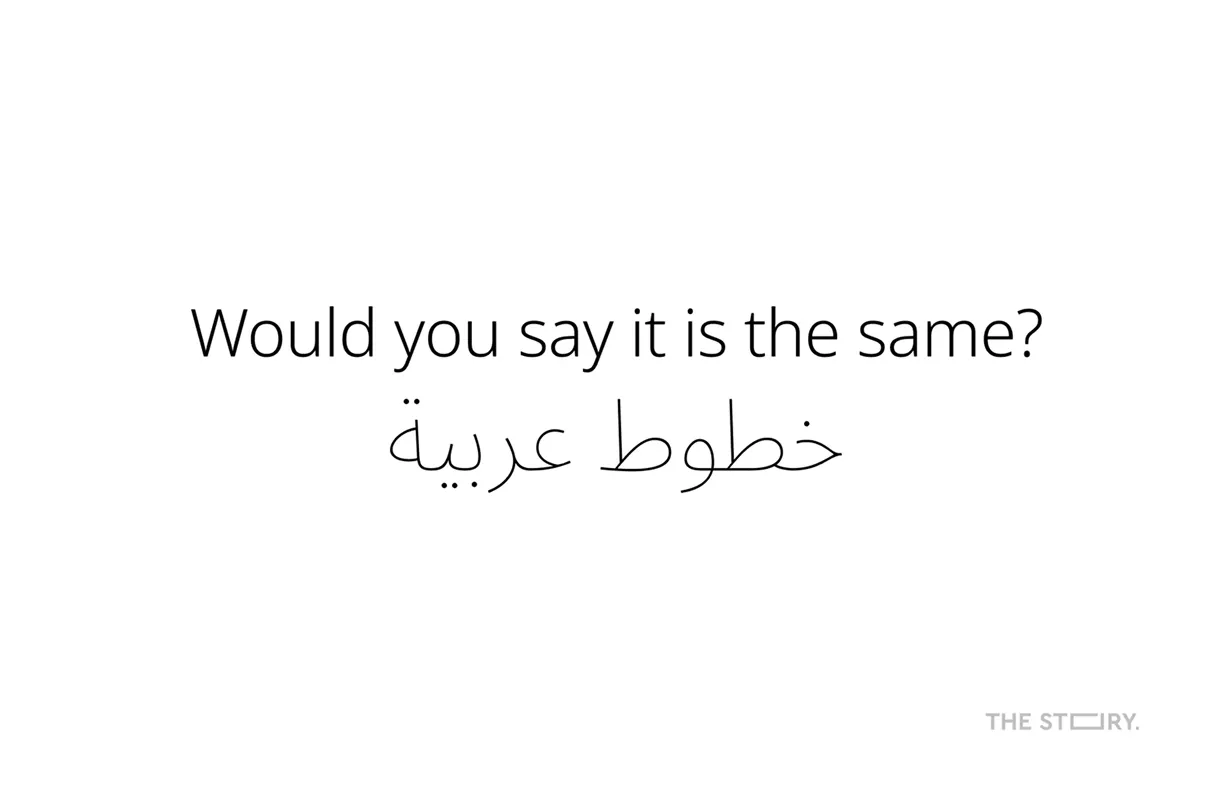
The challenge: The typeface used on a European website will not necessarily work in Arabic. Popular fonts such as Roboto or Poppins do not support Arabic script in their standard families. This means that adapting a website involves more than simply switching the language - the typography itself may need to be reconsidered.
What does this mean? Website adaptation may require selecting a separate type family or creating an Arabic counterpart to the existing typeface. Specialist studios and type foundries offer services that adapt typefaces to different writing systems - for example, translating a Latin typeface into Arabic. However, this is a costly and time-consuming process that requires considerable design precision.
Why? Arabic works differently from the Latin alphabet: letters connect, letterspacing is not used in the same way, there is no direct equivalent of uppercase and lowercase letters, and proportions, dots and diacritical marks all affect legibility.
↘︎ Typography should therefore be considered from the very beginning of the adaptation process: review the current typeface, assess its Arabic support and choose a font that makes the Arabic version feel like a carefully designed product rather than an afterthought added to a European website.
3. Data and regulations — what users do not see
The challenge: Entering Arab markets requires reviewing local personal data regulations - not only in relation to hosting, but across the entire flow of information through forms, CRM systems, analytics, newsletters, advertising pixels and third-party tools.
What does this mean? It does not necessarily mean moving everything to local hosting. Global tools such as Google Cloud, AWS, Azure, HubSpot, Google Analytics, Meta Pixel or Hotjar are not inherently problematic. The issue arises when a company does not know what data it collects, where that data is stored, who processes it and whether it is transferred outside the country.
↘︎ Before entering a new market, the entire data architecture should therefore be reviewed so that the website adaptation is not only visually and linguistically correct, but also compliant with local regulations.
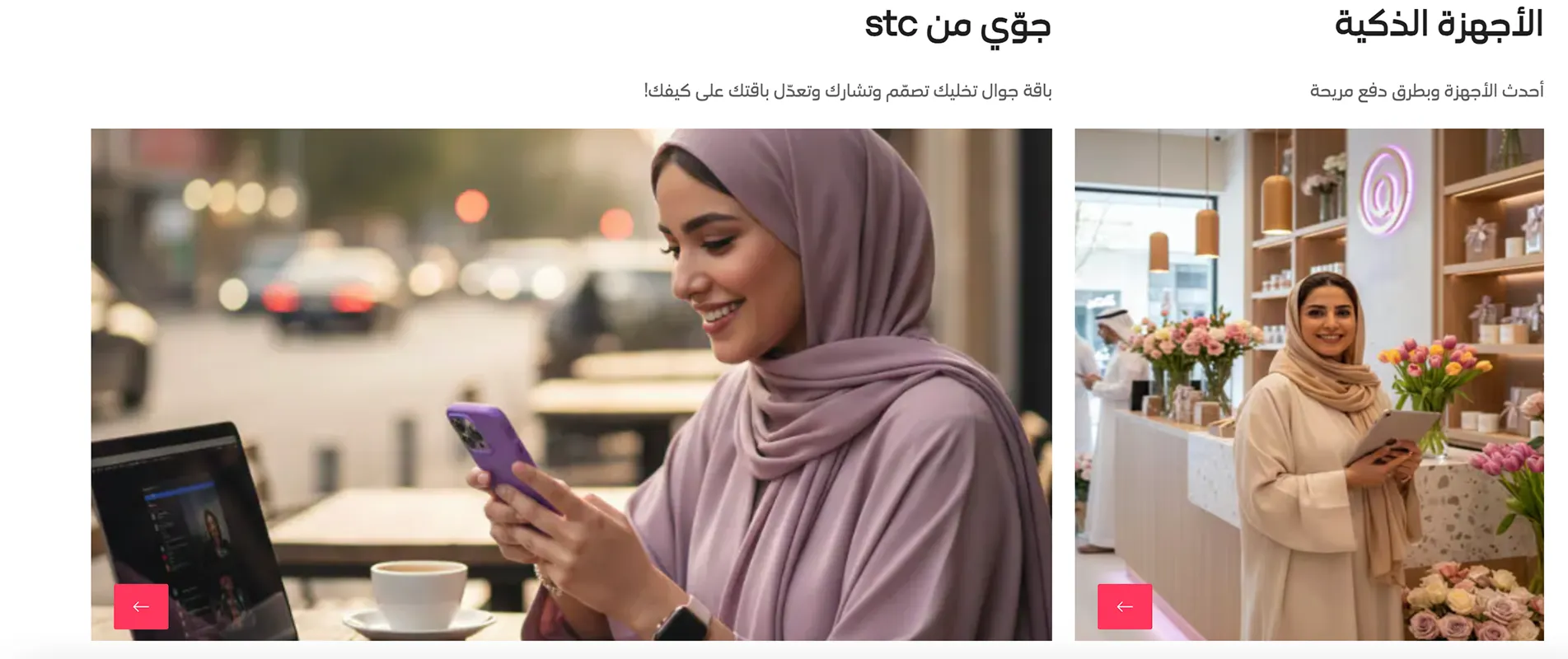
4. Do you need to censor your images? Understanding cultural context
The challenge: Communication aimed at Arabic-speaking audiences requires reviewing whether imagery, clothing, gestures, social interactions and situational context are culturally appropriate. Particular attention should be paid to content involving alcohol, gambling, excessive sexualisation, as well as religious or political themes presented without sufficient cultural awareness.
What does this mean for the brand? Cultural adaptation is not about “censoring” the website. It is about communicating in a professional, neutral and credible way - like a partner who understands the local context, rather than a European company that has simply inserted an Arabic translation into an existing layout.
5. How do local users search? SEO in Arab markets
The challenge: Arabic SEO is not about translating your existing keywords. Depending on the country, industry and search intent, users may search in Arabic, English or combine both languages.
How do you build visibility? Technical configuration is just as important for SEO — from URL structure and hreflang tags to titles, descriptions, headings, alt texts, internal linking, sitemaps, canonicals and indexing. These elements help search engines understand which version of the website should be shown to which audience.
↘︎ An Arabic version of a website treated purely as a translation may technically exist, but still remain invisible to the right users or fail to match their actual search intent.
Against the backdrop of changes in US trade policy, more and more European companies are turning their attention to Arab markets. The region offers enormous business potential, but it also comes with different cultural, linguistic and purchasing behaviours.
Brands gain an advantage when they understand that successful expansion requires more than simply translating a website or marketing materials. Entering a new market means deliberately adapting communication, user experience and the way the offer is presented to local expectations.
↘︎ The earlier you identify which elements require adaptation, the easier it becomes to build trust with local audiences and enter a new market in a considered, consistent way - without costly mistakes.
Sources: